
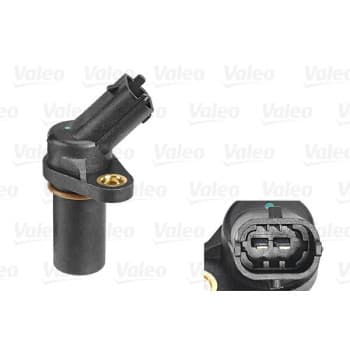

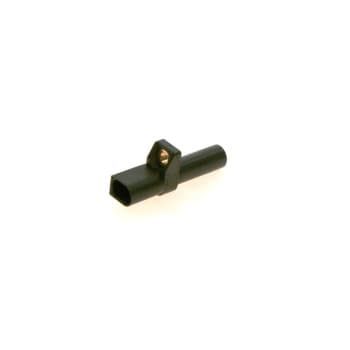
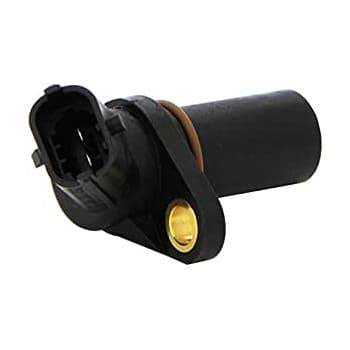
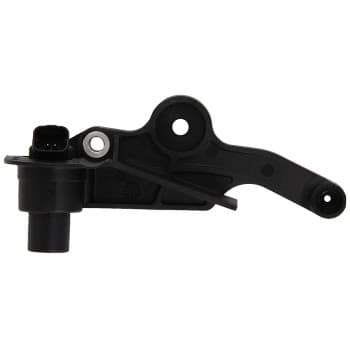

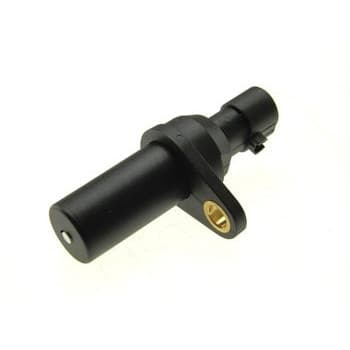
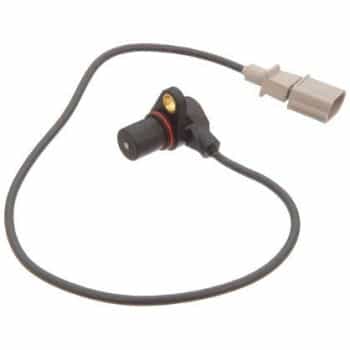
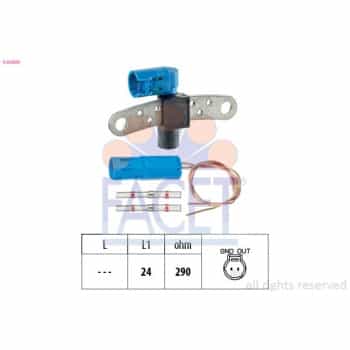

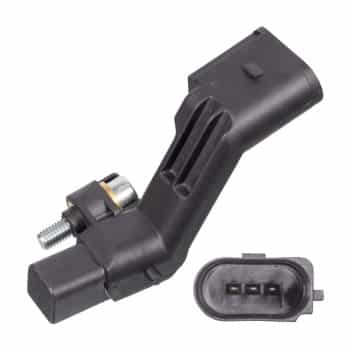
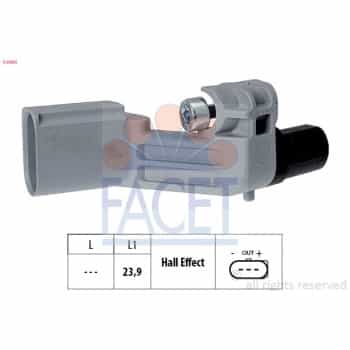
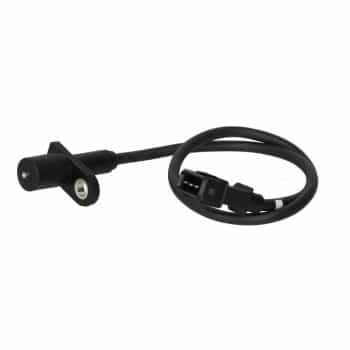
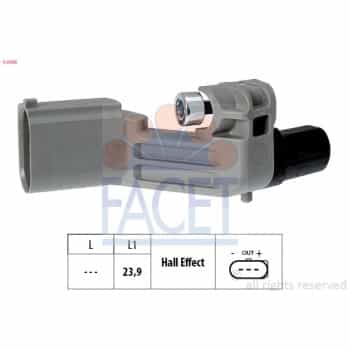
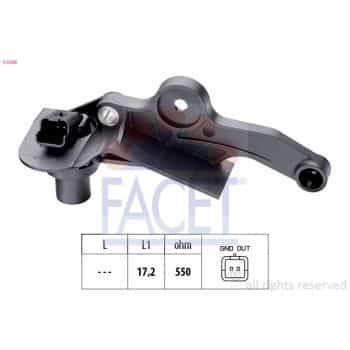
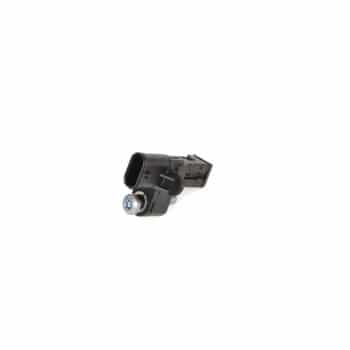
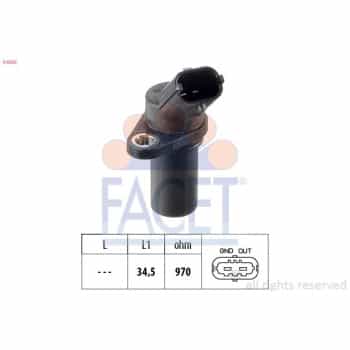
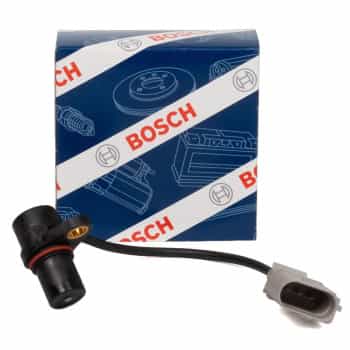
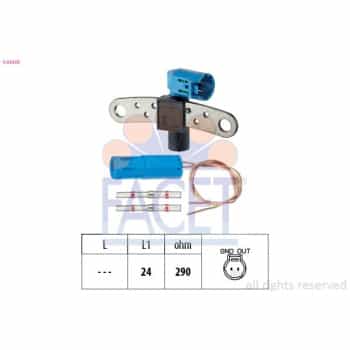
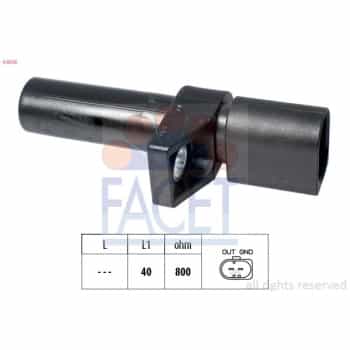
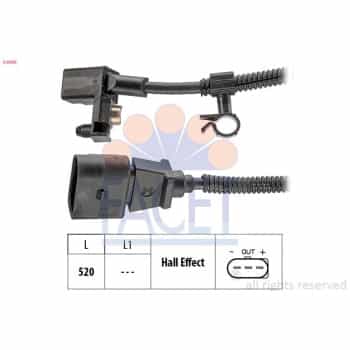

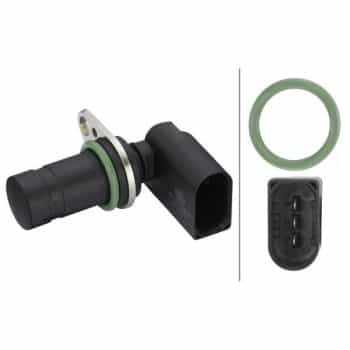
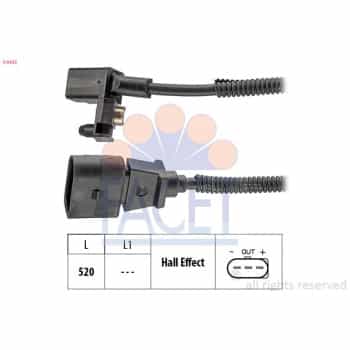

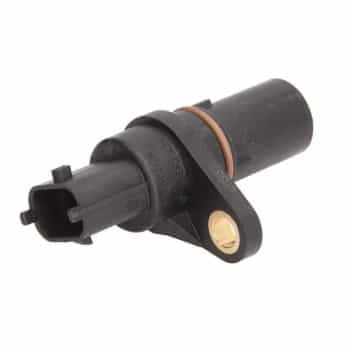
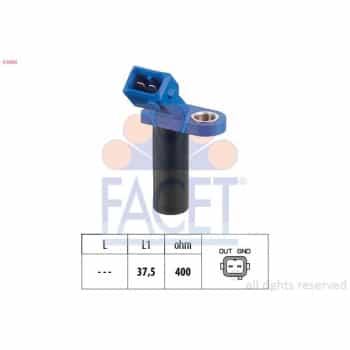
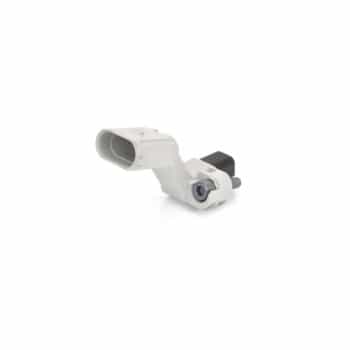
The crankshaft sensor or crankshaft position sensor, determines the position or the revolutions per minute (RPM) ? also known as the rotational speed, of the crankshaft. A crankshaft sensor is located close to the flywheel in the bottom block of your car's engine. The sensor consists of a coil and a magnet. Because of metal moves by the sensor, the magnetic field in the coil changes. This creates an alternate current. The control unit monitors and processes the data by the number of changes. This information is then sent using an electrical signal to the engine control unit ( ECU), part of the engine management system of your car. The ECU uses this information to control the fuel injection and other engine parameters
Bad crankshaft sensor symptoms
A poorly functioning or bad crankshaft sensor is, generally speaking, easily recognisable and an easy subject for proper analysis. On occasion it can be difficult, however, to determine whether the problem is at the sensor from camshaft or crankshaft. Both can be recognised by vibrations in the engine. A vibrating engine indicates that the signals from the sensor is not passing through sufficiently. If the crankshaft position sensor is failing, you can recognize this by a number of symptoms. These crankshaft sensor symptoms can be:
- Engine light is on;
- Vibrations in the engine;
- Slow response from the accelerator;
- Erratic starting problems;
- Misfiring of the cylinder;
- Intermittent stalling;
- Backfiring;
- Uneven acceleration;
- Rough idling;
- Reduced mileage.
A failing engine because of a faulty crankshaft sensor most often occurs when the engine is hot. If the engine is warmed up and fails, chances are that if you try to start it, it will not immediately fire up again. Often the engine will start running again when the engine has cooled down.
Problems with crankshaft sensor
There are various causes of why the crankshaft sensor is failing. The most common cause is that the crankshaft position sensor is damaged. Overheating from the engine may cause the plastic covering melts away. Due to the damage, the crankshaft position sensor will disconnect from ECU. From the moment the crankshaft sensor does not transmit a signal, ignition is not possible. The engine will automatically stop functioning. There may also be a mechanical defect in the crankshaft position sensor, which is often caused by circuitry problems. A faulty voltage or loose, worn-out, or damaged wiring can disrupt the signals sent to and from the crankshaft sensor, causing it to have issues. For example, there may be a short circuit internally or a wire break may have occurred. Contamination from metal chips can also lead to a bad crankshaft sensor. If the crankshaft sensor fails, you need to have it replaced.
Replacing a crankshaft sensor
Unfortunately, you cannot repair a failing crankshaft sensor. It is necessary to buy a new one and replace it. Luckily, however, replacing a crankshaft sensor is easy which anyone can do themselves. Often the sensor is easily reachable and assembled with just a bolt and a connection plug. In some cases, though it can be a bit more difficult when for example the crankshaft position sensor is hard to reach or the bolt won?t come off. In this case, it is best to use some penetrating oil.
Buying a new crankshaft sensor
Buying a crankshaft position sensor is quick and easy at Winparts. Enter your number plate or select your car make, model and type of engine and the right sensors for your car will be displayed. At Winparts UK you can also find other sensors for your car, such as coolant sensors, speed sensors, ABS sensors and oil level sensors.